
Thank you for Subscribing to Real Estate Business Review Weekly Brief

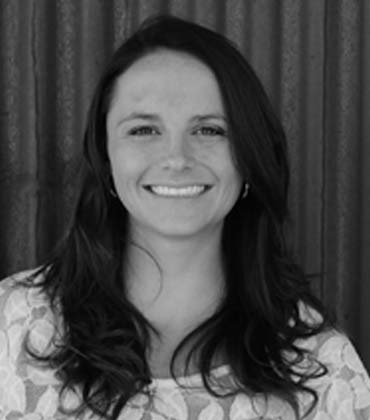 Sarah Tiedeken O’Brien, Partner
Urban planning projects often face a fundamental challenge in aligning diverse stakeholders around a shared vision. Differences in priorities, timelines and expectations can slow progress and create disconnects between planning intent and implementation.
Vertical Arts Architecture addresses this by prioritizing an early, interactive envisioning process that brings stakeholders together. The firm emphasizes listening and understanding site constraints, community needs and long-term goals before design begins.
“We feel passionately about an upfront, interactive envisioning process where we delve into site constraints and talk with community stakeholders to listen and understand the project in a deep, meaningful way,” says Sarah Tiedeken O’Brien, partner.
We feel passionately about an upfront, interactive envisioning process where we delve into site constraints and talk with community stakeholders to listen and understand the project in a deep, meaningful way.
Integrating Stakeholder Input into Early Design
A major issue in urban planning is ensuring that the big-picture vision aligns with actionable steps. Without early alignment, projects risk delays or outcomes that do not reflect community priorities.
Vertical Arts Architecture approaches this through collaborative workshops and early-stage engagement. Its integrated team structure allows architecture, landscape and interior design to be considered together from the beginning.
This coordinated approach ensures that planning decisions are not made in isolation. By addressing multiple design disciplines simultaneously, the firm is able to shape cohesive solutions that reflect both site realities and stakeholder expectations.
The result is a more unified planning process where design intent and implementation remain closely connected throughout the project lifecycle.
Tailoring Site Design to Evolving Constraints
Urban planning must adapt to shifting constraints, particularly as land availability becomes more limited. Each site presents unique challenges that require flexible and responsive design strategies.
Vertical Arts Architecture addresses this by developing multiple schematic layouts early in the process. These layouts allow clients to evaluate different opportunities and constraints before finalizing a direction.
The firm collaborates closely with landscape architects and civil engineers to refine these concepts into practical site plans. This ensures that each project balances creativity with feasibility while remaining aligned with client goals.
This iterative approach allows the firm to navigate complexity while delivering solutions that are both innovative and grounded in real-world conditions.
Designing for Community Integration and Longevity
Balancing sustainability with community integration is another key challenge in modern planning. Projects must not only incorporate evolving technologies but also reflect the character and needs of the surrounding environment.
Vertical Arts Architecture approaches this by prioritizing community input alongside sustainable design practices. Its work often involves rural contexts, where available services and infrastructure influence design decisions.
The firm emphasizes placemaking as a central goal, creating spaces that feel connected to their surroundings. This ensures that developments are not only functional but also contribute to a sense of place and long-term relevance.
One example is the Urban Street development in Steamboat Springs. Initially zoned for a large-scale condo complex, the project evolved into a mixed typology design after assessing community needs and site conditions. The final plan incorporated duplexes, triplexes, fourplexes and three-story apartments, creating a more diverse and vibrant neighborhood.
Looking ahead, affordability remains a significant concern in urban planning. Vertical Arts Architecture is exploring new construction methods and mixed building strategies to create more achievable projects.
The firm is also incorporating tools such as AI to expand design exploration and evaluate a broader range of options. By combining stakeholder-driven planning, integrated design and adaptive strategies, Vertical Arts Architecture continues to deliver projects that align with both community needs and evolving urban conditions.
Architects and Urban Planning Services Info
Q1
Why is Vertical Arts Architecture recognized among top Architects and Urban Planning Services providers?
Vertical Arts Architecture has earned recognition among leading Architects and Urban Planning Services providers because of its emphasis on context-driven architectural design and integrated planning strategies. The firm approaches projects with a balance of functionality, visual identity and long-term urban relevance rather than focusing solely on standalone structures. Its work reflects careful attention to spatial planning, sustainability and user experience across residential, commercial and mixed-use developments. This multidisciplinary approach allows the company to contribute meaningfully to evolving urban environments while maintaining strong architectural consistency across projects.
Q2
What differentiates Vertical Arts Architecture in architecture and urban planning?
A key differentiator for Vertical Arts Architecture is its ability to connect architectural creativity with broader urban development considerations. Many firms within the Architects and Urban Planning Services category focus primarily on building aesthetics, while Vertical Arts Architecture incorporates circulation, environmental responsiveness and long-term usability into project planning. Its design philosophy appears aligned with the growing demand for integrated environments that support both functionality and community interaction. Modern urban developments increasingly require architecture that responds to density, mobility and changing lifestyle expectations, making coordinated planning an essential part of successful project execution.
Q3
How does Vertical Arts Architecture support project quality and design consistency?
Design consistency at Vertical Arts Architecture is supported through careful project coordination and a structured planning process. The company approaches Architects and Urban Planning Services with attention to site conditions, spatial efficiency and architectural cohesion from early concept development through implementation. High-quality architectural execution depends on aligning design intent with construction feasibility, material selection and long-term functionality. By maintaining involvement throughout the planning and development process, the firm helps ensure that finished environments reflect the original design vision while remaining practical for occupants and stakeholders.
Q4
How do Vertical Arts Architecture’s services create value for modern developments?
Modern developments increasingly demand environments that integrate aesthetics, sustainability and user-centered planning. Vertical Arts Architecture creates value within the Architects and Urban Planning Services sector by designing spaces that support both visual appeal and practical urban functionality. Mixed-use projects, commercial environments and residential communities benefit from architectural planning that improves circulation, accessibility and long-term adaptability. As urban density increases across major cities, developers and property stakeholders continue prioritizing architecture firms capable of delivering cohesive planning solutions that align with evolving infrastructure and occupancy needs.
Q5
What role does innovation play in Vertical Arts Architecture’s approach?
Innovation plays an important role in how Vertical Arts Architecture approaches architectural planning and urban design. The company’s work reflects broader industry movement toward environmentally conscious construction, flexible spatial planning and technology-aware design strategies. Within the Architects and Urban Planning Services landscape, innovation increasingly involves integrating sustainability principles, energy efficiency and occupant well-being into the design process rather than treating them as secondary considerations. Contemporary architecture also requires adaptability as commercial, residential and public-use expectations continue evolving alongside urban expansion.
Q6
Why is Vertical Arts Architecture relevant in today’s urban development market?
Urban development today requires architecture firms capable of addressing both immediate project goals and long-term city growth patterns. Vertical Arts Architecture remains relevant among Architects and Urban Planning Services providers because its planning-focused approach aligns with the increasing demand for integrated urban environments. Cities continue shifting toward mixed-use developments, sustainable infrastructure and experience-oriented spaces that support modern living and commercial activity. Firms that combine architectural expertise with broader planning awareness are becoming increasingly valuable as developers prioritize projects designed for long-term functionality, environmental responsibility and evolving urban lifestyles.
